Jayendra Lok

Category: Jain Philosophy

WHY DO WE RING THE BELL IN A JAIN TEMPLE?
jayendralok

WHY DO WE RING THE BELL IN A JAIN TEMPLE?

(Arihant Bhagwant ni agya thi) Upon entering a Jain temple, the devotee sees a suspended bell that they ring. Further bells are rung at various times, symbolizing various things and for various reasons: 1. As we get closer to the Ghabhärä, we ring the bell 3 times to symbolize that
Read More »
JAIN TEMPLES – STRUCTURE SYMBOLISM
jayendralok

JAIN TEMPLES – STRUCTURE SYMBOLISM

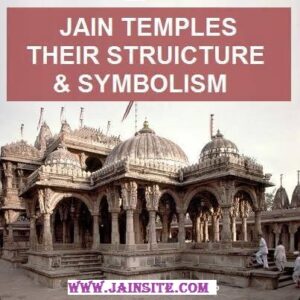
(Arihant Bhagwant ni agya thi) Although Jain temples frequently share architectural and artistic elements found in temples of other religions, they are distinctively Jain. Their religious buildings are specifically adapted to reflect Jain spiritual ideas and ritual practices. There are three striking features of Jain religious buildings. • there is

Read More »

What is ‘Michhami Dukkadam’?

What is ‘Michhami Dukkadam’? Michchhami means to be fruitless (forgiven) and Dukkadam (Dushkrut) means bad deeds. Therefore the meaning of Michchhami Dukkadam is my bad deeds (with you) be fruitless. So concept behind saying or writing someone “Michchhami Dukkadam” is that if I have done any harm to you, then

Read More »

Don’t walk on the grass – green lawn

Don’t walk on the grass According to the scriptures if we have a tree or a leaf of a plant a flower or leaf, even break them angry so that if they are at that time man, how many times I die-Cast-raised and slaughtered But they only become weak and

Read More »

45 aagams

📚 45 AAGAM Names 11 Anga Shastras 12 Upanga Shastras 04 Cheda Shastras 04 Mula Shastras 01 Avashyak sutra ————————– ➡ 11 Anga Sutra are: ———————— [1] Acharang [2] Suyagadang Sutra [3] Thananga [4] Samavayanga [5] Bhagavati Sutra [6] Jnatadharmakatha [7] Upasakdasanga [8] Antakritdashang [9] Anuttarovvai [10] Prashnavyakrana [11] Vipak

Read More »

Chapter 01 – Pancha Paramesthi

Chapter 01 – Pancha Paramesthi Namo Arihantänam : I bow down to Arihanta, Namo Siddhänam : I bow down to Siddha, Namo Äyariyänam : I bow down to Ächärya, Namo Uvajjhäyänam : I bow down to Upädhyäy, Namo Loe Savva-Sähunam: I bow down to Sädhu and Sädhvi. Eso Pancha Namokkäro

Read More »
Chapter 02 – Tirthankars (Jain Philosophy)
jayendralok

Chapter 02 – Tirthankars (Jain Philosophy)

Chapter 02 – Tirthankars Time rolls along in eternal cycles of rise and decline.   Utsarpini  is a “rising” era in, which human morale and natural conditions improve over time.   At the end of Utsarpini, begins Avasarpini, a “declining” era of the same length, in, which human morale and virtues deteriorate.

Read More »

Chapter 03 – Lord Mahävir and His Teachings

Chapter 03 – Lord Mahävir and His Teachings Lord Mahävir is the twenty-fourth and last Tirthankar of the religion of this era.  According to Jain philosophy, all Tirthankars were human beings but they attained a state of perfect enlightenment through meditation and self-realization.  They are faultless human model. They are

Read More »
Chapter 04 – Jain Ascetics (Sädhus and Sädhvis)
jayendralok

Chapter 04 – Jain Ascetics (Sädhus and Sädhvis)

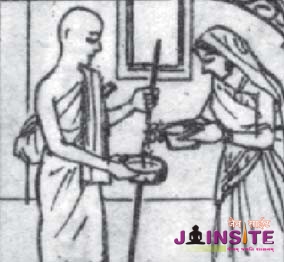
Chapter 04 – Jain Ascetics (Sädhus and Sädhvis) When a person renounces worldly life and all worldly attachments and is initiated into monkhood or nunhood, the man is called Sädhu, Shraman or Muni and the woman is called Sädhvi, Shramani, or Äryä.   Their renunciation is total, which means they are

Read More »