Jayendra Lok

Category: Jain Philosophy

jayendralok

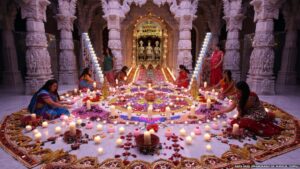
Understanding Jain Diksha: Rituals and Significance

Table of Contents Toggle Introduction The Jain Diksha Ceremony What Happens During the Jain Diksha Mahotsav? Pancha Mahavrats: The Five Great Vows The Significance of Diksha in Jainism Spiritual Discipline and Renunciation Role of Laypeople in Supporting Monks and Nuns Jain Diksha Decoration and Celebration Cultural and Spiritual Expressions Conclusion
Read More »
jayendralok

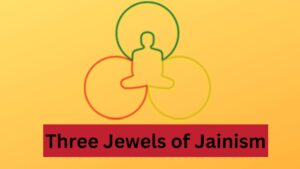
Understanding the Three Jewels of Jainism

Table of Contents Toggle Introduction What Are the Three Gems of Jainism? Right Faith (Samyak Darshana) Right Knowledge (Samyak Jnana) Right Conduct (Samyak Charitra) The Meaning of the Three Jewels in Jainism What Do the Three Jewels Mean? What Does Jewels Mean in Jainism? What Were the Three Ratnas? Conclusion

Read More »
jayendralok

Jain Diwali: History, Rituals & Significance

Table of Contents Toggle Jain Diwali: Commemorating Nirvana and Spiritual Enlightenment What is the History and Significance of Jain Diwali? How Do Jains Celebrate Diwali? Rituals and Observances Where and Why Do Jains Celebrate Diwali? What is the Jain New Year and its Connection to Diwali? Jain Diwali in Cultural

Read More »
jayendralok

Jain Festival List: Celebrating Spiritual Traditions and Rituals

Table of Contents Toggle Celebrating Jain Festivals: A Comprehensive Guide to the Jain Festival List Jain Festival List Paryushana Mahavir Janma Kalyanak Diwali Ashtahnika Parv and Nandishwar Ashtahnika New Year Gyana Panchami Pausha Dashmi Maun Agiyaras Navapad Oli Mahamastakabhisheka Roth Teej Varshi Tapa or Akshaya Tritiya Shrut Panchami Posh Dashmi

Read More »
jayendralok

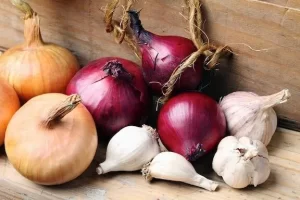
Why Jains Don’t Eat Onion and Garlic: A Deep Dive

Table of Contents Toggle Why Do Jains Not Eat Onion and Garlic? What is Jain Vegetarianism? Core Principles Why Don’t Jains Eat Onion and Garlic? Spiritual and Ethical Reasons Health and Wellness Cultural and Practical Aspects Traditional Practices Modern Trends and Data The Broader Impact of Jain Dietary Choices Environmental

Read More »
jayendralok

Paryushana Parv: Jain Festival of Forgiveness and Spiritual Renewal

Table of Contents Toggle Introduction to Paryushana: What is Paryushana? Paryushana Meaning and Significance Observances During Paryushana Parva The Ten Dharmas of Paryushana How Fasting is Observed During Paryushana Seeking Forgiveness: Micchami Dukkadam Where and When Paryushana is Celebrated Why Paryushana is Celebrated Conclusion Frequently Asked Questions (FAQs) Introduction to

Read More »
jayendralok

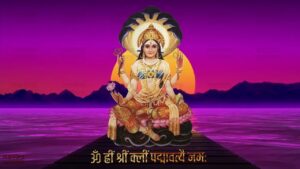
108 Names of Devi Padmavati | Padmavati Ashtottara Shatanamavali

Table of Contents Toggle 108 Names of Padmavati Devi 108 Names of Padmavati Devi 108 Names of Padmavati Devi Padmavati Devi is a revered goddess in Jainism, known for her power, compassion, and protective nature. She is considered the guardian deity of Lord Parshvanatha, the 23rd Tirthankara in Jainism. Devotees

Read More »
jayendralok

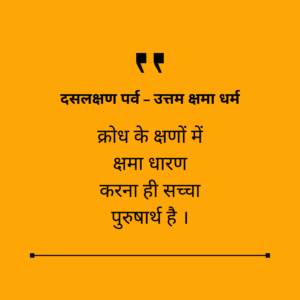
Uttam Kshama: The Essence of Forgiveness in Jainism | उत्तम क्षमा: जैन धर्म में क्षमा का महत्व

Paryushana Parva or Daslakshana Parva is the most important Jain festivals that emphasize self-purification, penance, and forgiveness. During these sacred days, followers seek forgiveness for their mistakes and extend it to others as well, embodying the spirit of forgiveness. Paryushana Parva or दसलक्षण पर्व जैन धर्म के प्रमुख पर्वों में

Read More »
jayendralok

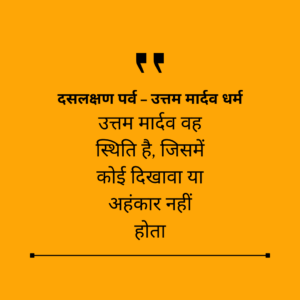
Uttam Mardav: The Virtue of Humility in Jainism | उत्तम मार्दव: जैन धर्म में विनम्रता का धर्म

Paryushana Parva, also known as Daslakshana Parva, is a significant Jain festival focused on self-reflection and the practice of virtues. One of the most important virtues celebrated during this time is Uttam Mardav (supreme humility), which involves letting go of pride and embracing true humility, essential for spiritual growth and

Read More »
jayendralok

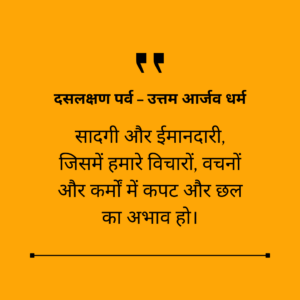
Uttam Arjava: The Virtue of Straightforwardness in Jainism | उत्तम आर्जव: जैन धर्म में सरलता का धर्म

Paryushana Parva, also known as Daslakshana Parva, is a festival in Jainism that focuses on the practice of virtues for spiritual growth. One of the key virtues celebrated during this period is Uttam Arjava (supreme straightforwardness). Arjava means simplicity and honesty, and it calls for the absence of deceit and

Read More »